Top Five Signs It’s Time To Sell Your Used Equipment
For construction companies, fleet operators, and transportation businesses, equipment is more than a line item on a balance sheet. Excavators, loaders, dozers, graders, cranes, dump trucks, trailers, and other heavy assets are what keep projects moving and revenue coming in.
But every piece of equipment eventually reaches a point where keeping it in the fleet no longer makes financial sense.
The challenge is knowing when to sell.
Wait too long, and you may end up spending heavily on repairs while watching the equipment’s resale value decline. Sell too early, and you could give up productive years that the machine still has left.
The right decision comes down to understanding the equipment’s economic life—not simply its physical life. Lifecycle costs include maintenance, repairs, fuel, insurance, depreciation, transportation, downtime, and eventual resale value.
Here are five signs that it may be time to move an asset out of your fleet.
1. Repair and Maintenance Costs Are Starting to Climb
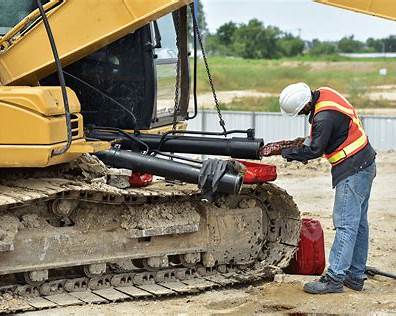
One of the clearest warning signs is a noticeable increase in maintenance and repair expenses.
Older equipment tends to require more attention as major components begin reaching the end of their useful lives. An excavator may need hydraulic work or an undercarriage. A wheel loader may require transmission or engine repairs. A truck may start consuming more time and money in drivetrain, emissions, suspension, or electrical repairs.
The important point is not that an older machine needs repairs. All equipment requires maintenance.
The question is whether the cost of keeping that machine productive is beginning to outweigh the value it provides.
Construction Equipment’s lifecycle analysis highlights maintenance and repair costs as a major factor when deciding whether to repair or replace a machine. As equipment ages, its market value generally declines while maintenance and repair costs tend to increase.
Look at the trend—not one repair bill
A $10,000 repair does not automatically mean it’s time to sell a $100,000 machine. Instead, examine the previous 12–24 months:
- Are repair costs increasing?
- Are major components starting to fail?
- Are breakdowns becoming more frequent?
- Are you spending more on emergency repairs?
- Is the machine requiring more shop time?
- Are repair costs becoming difficult to predict?
If the answer is yes across several categories, the machine may be approaching the point where selling it makes more financial sense than continuing to invest in it.
2. Downtime Is Hurting Your Business
Equipment can cost you money even when it isn’t running.
A machine sitting in the shop isn’t producing revenue, helping complete a project, or hauling a load. Worse, an unexpected breakdown can affect more than the equipment itself.
A failed excavator can delay an entire crew. A disabled truck can disrupt deliveries. A broken loader can slow material handling across a site. That means the true cost of an aging asset isn’t limited to the repair invoice. You also have to consider lost productivity, replacement equipment, overtime, schedule disruptions, and potentially dissatisfied customers.
This is why reliability should be treated as a financial metric.
If a machine is spending increasingly more time unavailable, ask yourself: How much is this equipment really costing us when it isn’t working?
If the answer is becoming uncomfortable, it may be time to sell while the machine still has meaningful value in the used market.
3. The Equipment Is No Longer Being Utilized Enough
Another common reason to sell used equipment is simply that the business no longer needs it as much as it once did.
Markets change. Projects end. Fleets grow. Companies diversify. A contractor may move from large excavation projects to smaller commercial work. A transportation company may reduce routes or replace certain truck configurations. A specialized machine that was essential for one contract may spend most of the following year parked.
Idle equipment still carries costs. Insurance, storage, depreciation, financing, maintenance, and other ownership expenses can continue even when an asset isn’t generating revenue. Lifecycle-cost analysis therefore needs to account for utilization—not simply whether the equipment is technically operational.
Before keeping a low-use asset, calculate: Annual ownership cost ÷ actual productive hours
You may discover that the machine is costing substantially more per productive hour than expected. If another company could put that equipment to work immediately, selling it can turn an underutilized asset into working capital.
4. The Equipment Still Has Strong Resale Value
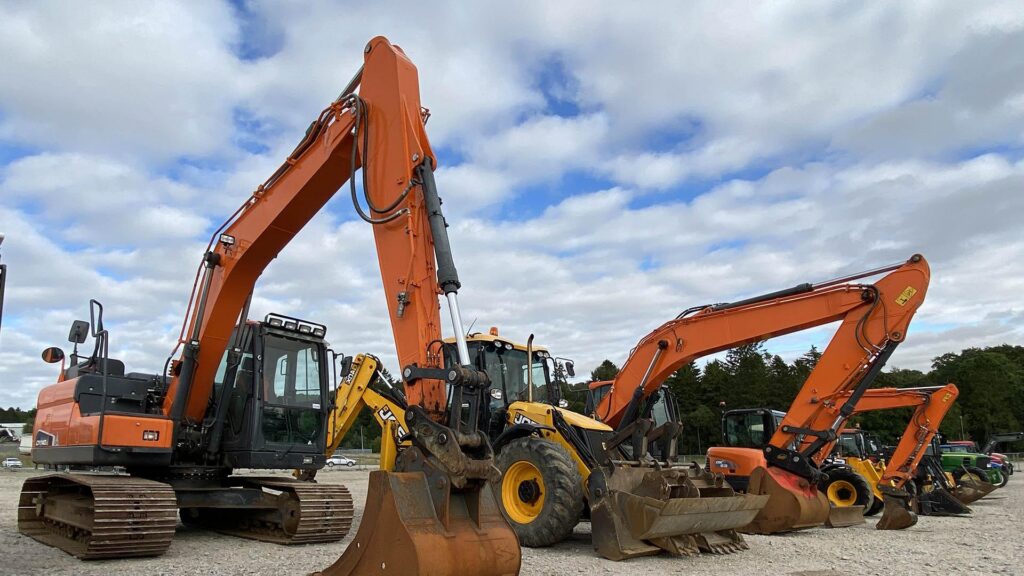
This may seem counterintuitive, but sometimes the best time to sell is before you absolutely need to.
Equipment has a market value that changes with age, hours, condition, configuration, brand, and market demand.
The longer you keep an asset, the greater the chance that additional hours, wear, and repairs will reduce what buyers are willing to pay. That creates an important opportunity: Sell while the equipment is still attractive to the next owner.
A well-maintained machine with documented service history, desirable specifications, reasonable hours, and good overall condition is generally easier to market than an asset that has already experienced a major failure.
A resale strategy should begin well before an owner actually lists a machine for sale. Maintenance and other ownership decisions made throughout the equipment’s life can affect eventual resale value and overall return on investment.
Think of the sale as part of the equipment’s lifecycle—not as the final decision you make after the machine has become a problem.
5. Your Capital Could Work Harder Somewhere Else
Perhaps the most overlooked reason to sell used equipment is the opportunity cost of keeping it.
A machine may still operate perfectly well, but that doesn’t necessarily mean it is the best use of your company’s capital. For example, selling an aging loader could provide capital for:
- A newer, more productive machine
- Additional trucks or trailers
- Attachments that expand your capabilities
- Technology and fleet-management systems
- Hiring or training
- Debt reduction
- Working capital
- A machine that is in higher demand
This is where return on invested capital becomes more important than simply asking whether an asset still works. Consider two machines:
Machine A is older, requires increasing maintenance, and is used only occasionally.
Machine B is newer, highly utilized, and generates significant revenue.
If selling Machine A provides the capital needed to improve Machine B or acquire another high-utilization asset, keeping Machine A may actually be costing the business money.
Don’t Wait for the Breakdown
One of the most expensive equipment-management mistakes is waiting until a machine fails before deciding what to do with it. By that point, you may be dealing with:
- A major repair bill
- Lost production
- Emergency transportation
- Expedited parts
- Rental equipment
- A lower resale price
- A machine that is much harder to sell
A better approach is to monitor each asset’s lifecycle before it reaches that point.
Track hours or mileage, repair costs, utilization, downtime, maintenance history, and current market value. Then compare the cost of continued ownership against the potential return from selling and replacing the asset.
A useful lifecycle framework is to distinguish between useful life and economic life. A machine can remain physically capable of working long after it has stopped being economically attractive to own.
The Bottom Line
Selling used equipment isn’t necessarily about getting rid of something old.
It’s about recognizing when an asset has reached the point where its future costs and risks outweigh its future value.
The five biggest warning signs are:
- Repair and maintenance costs are increasing.
- Downtime is affecting productivity.
- Utilization has fallen.
- The equipment still has strong resale value—but that value may decline with additional hours and wear.
- Your capital could generate a better return elsewhere.
The smartest fleet operators don’t wait until equipment becomes a liability. They monitor their assets throughout their lifecycle and look for the point where selling can preserve value, reduce risk, and free capital for more productive uses.
The goal isn’t to own equipment for as long as possible. The goal is to get the best possible return from every piece of equipment you own.
Not sure whether now is the right time to sell? Let Black Star’s equipment specialists help you understand your machine’s current market value and determine whether selling makes sense for your business.